Monday, April 11, 2011

Yoga & Heart Diseases

Article:>

The heart is the strongest muscle in the body. The contraction and relaxation of the heart cause the circulation of blood to all parts of the body. The circulatory system plays a vital role in the nourishment of tissues.

Elements necessary for nourishment of tissues are carried to them by blood. Any irritation to the lining of arterial walls causes heart diseases. This injury may also be caused due to high levels of fat in the blood.

Main contributors for cardiovascular diseases

Faulty diet,

Negative thinking ---Our thoughts, feelings and emotions affect our body and mind.Negative Emotions spark chemical processes throughout the entire body.

Coronary Heart Disease,

Smoking,

High blood pressure etc…

Coronary Heart Disease (CAD)


Function of heart is to supply the blood to the whole body by pumping. Whereas coronary arteries come out of the aorta and supply the blood and feed the heart muscles themselves. The main coronary arteries lie down on the surface of the heart and the small arteries enter the cardiac muscle mass. It is the most common cause of t

he cardiovascular disability and death. Coronary heart disease is a state in which the heart muscle not gets ample amount of blood because of disruption in its blood supply.

Depending on the extent of disruption in its blood supply, symptoms appear from a mild chest pain to a full-scale heart attack.

Atherosclerosis
Coronary Thrombosis

Atherosclerosis (hardening of the arteries)

The inner walls of the arteries get thickened due to gradual deposits of fatty material. These gradual deposits take the form of layers in the inner walls of the arteries and as a result, there is hindrance to the flow of blood. Consequently, blood clotting occurs in the roughened area and the blood circulation gets blocked.

Coronary Thrombosis

There is sudden blocking of one of the arteries or its branches and then the supply of blood to the heart is affected partially or completely. The sudden blocking takes place due to the deposit of clot in an already narrow artery. Due to lack of blood supply, heart attack takes place with pain in the chest and arms and there maybe perspiration.

Degenerative heart disease

It occurs due to the gradual decay of the blood vessels. It is thought that excessive smoking of tobacco in any form causes degeneration of blood vessels.

Yoga can play important role in preventing and curing cardiovascular heart diseases.

If one diagnosed heart disease, it is necessary to take proper care of ones heart for the rest of life. With proper life-style and diet one can manage and avoid heart disease. The physical activity in yoga enhances cardiac efficiency.

Yoga Treatment for Heart Diseases:

Therapeutic yoga should be practiced when the individual concerned is not affected by emergency type of condition.Yogic system of treatment is the same for heart ailments and hypertension.


Yogasanas & Pranayamas


Shavasana

suryanamaskaram

Vajrasana

Shashankasanam


Pavanamukthasan


Uthanapadasanam


Sarvangasanm


Shirshasanam


Nadishodana Pranayam


Ujjayi Pranayamam

Jal neti

Beside the above mentioned asana and pranayama practice of Yoganidra,concentration and meditation gives the best result.

The circulatory system plays a vital role in the nourishment of tissues. Elements necessary for nourishment of tissues are carried to them by blood. Practice of pranayama rejuvenate the tissues with a fresh supply of oxygen

Asanas improve cardiovascular efficiency. The yogic exercises give a good massage to the perpetually working heart. Asanas involve very little muscular activity. In such a condition, the heart has a tendency to slow down its speed and the heart beats in a controlled manner. When the muscular activity is less, there is minimum production of carbon dioxide. This reduces the levels of stress to the heart. Yoga enhances heart health, lowers blood pressure, reduces chronic stress, boosts immune system and enhances cognitive ability. Yoga has an important role in the prevention of cardiovascular diseases as well as recurrence of heart attacks, hypertension and coronary heart diseases. Yoga affects the hypothalamus directly the area of the brain, controlling the endocrine activity and it helps to prevent heart attacks.

Diet

Diet should be light, a low- fat diet, and preferably vegetarian foods.

Avoid:

Meat, excessive protein, milk and dairy products, oil, excessive spices, excessive salt, overeating.

Include:

whole grains, fresh fruits and vegetables. Fix meal timing.


The path of yoga helps in the prevention and stress in healthy people, aids in the recovery of diseases and other illnesses, gives strength to the physical body and helps in weight loss, induces deep relaxation, and wellness of body, mind and soul is gained.


More Details Please Contact SIVASAKTHI YOGAVIDYA KENDRAM


thx 2 >the holisticcare.com

Tuesday, December 21, 2010

യോഗാകോഴ്സ്

യഥാര്‍ത്ഥ യോഗവിദ്യയുടെ അഭ്യസനത്തിലൂടെ ആയിരക്കണക്കിന് ആളുകളില്‍ യോഗയുടെ അത്ഭുതങ്ങള്‍ സൃഷ്ടിച്ച ശിവശക്തി യോഗവിദ്യാ കേന്ദ്രത്തിന്‍റെ ആഭി മുഖ്യത്തില്‍ കേരളത്തിന്‍റെ പലഭാഗങ്ങളിലായി യോഗാവബോധിനി എന്ന ചതുര്‍മാസ യോഗാകോഴ്സ് ആരംഭിച്ചിരിക്കുന്നു ..
യോഗ എന്തിന്
പൂര്‍ണ വ്യക്തിത്ത്വ വികാസം
ശ്രേഷ്ഠ സമാജ നിര്‍മാണം
പൂര്‍ണ ജീവിത വിജയം
സര്‍വ്വ പ്രശ്നങ്ങളുടെയും സമൂല പരിഹാരം
അതെ ഈ കോഴ്സ് നിങ്ങള്‍ക്കുള്ളതാണ് ....കൂടുതല്‍ വിവരങ്ങള്‍ക്കായി ഇപ്പോള്‍തന്നെ വിളിക്കുക .... 9846038360 /9645775896

Monday, October 25, 2010

YOGA SIDDHI


***********************
SIDDHI'S IN YOGA
Siddhi is a Sanskri word that literally means "accomplishment", "attainment", or "success". It is also used as a term for spiritual power (or psychic ability). Siddhi Powers are sometimes gained by focusing on various chakras causing an activation of that specific energy center. Siddhi powers are sometimes experienced as a result. . In an ancient tradition of Enlightenment such as that which has been preserved by the enlightened monks (the siddha purushas), of Satyaloka Monastery, siddhi powers as well as enlightenment were often passed down from master to seeker through diksha (spiritual initiation). The diksha can be likened to a seed. It may take effect at once or could stay latent for years. Perhaps it will never take root. There are many variables. Diksha is part of an triad employed in ancient shamanistic cultures to help thrust the seeker into a permanent state of enlightenment. This triad is diksha, sadhana (spiritual practice such as yoga & meditation), and maha sutras. Following is a listing of siddhis that may occur in the Journey to Enlightenment or in working with the various chakras.
1)Anima- reducing one's body even to the size of an atom
2)Mahima-expanding one's body to an infinitely large size
3 )Garima-becoming infinitely heavy
4) Laghima- becoming almost weightless
5)
Prapti- having unrestricted access to all places
6 )Prakamya- realizing whatever one desires
7 )Istva- possessing absolute lordship
8 )Vastva- the power to subjugate all.
- - - - - - - - - - - - - - - - - - -
Nine main Siddhis
1-Parkaya Pravesha: Parkaya Pravesh means one’s soul entering into another sentient being . Through this knowledge even a dead body can be brought to life.
2- Haadi Vidya: This Vidya or knowledge has been mentioned in several ancient texts. On acquiring this Vidya, a person feels neither hunger nor thirst, and can remain without eating food or drinking water for several days at a stretch.
3- Kaadi Vidya: Just as one does not feel hungry or thirsty in Haadi Vidya, similarly in Kaadi Vidya a person is not affected by change of seasons, i.e. by summer, winter, rain, etc. After accomplishing this Vidya, a person shall not feel cold even if he sits in the snow-laden mountains, and shall not feel hot even if he sits in the fire.
4-Vayu Gaman Siddhi: Through this Siddhi a person can become capable of flying in the skies and traveling from one place to another in just a few seconds.
5-Madalasa Vidya: On accomplishing this Vidya, a person becomes capable of increasing or decreasing the size of his body according to his wish. Lord Hanuman had miniaturized his body through this Vidya while entering the city of Lanka
6-Kanakdhara Siddhi: One can acquire immense and unlimited wealth of knowledge and understanding through this Siddhi.
7-Prakya Sadhana: Through this Sadhana a Yogi can direct his disciple to take birth from the womb of a woman who is childless or cannot bear children.
8-Surya Vigyan: This solar science is one of the most significant sciences of ancient India This science has been known only to the Indian Yogis; using it, one substance can be transformed into another through the medium of sun rays.
9-Mrit Sanjivani: this science allow people to bring back the dead to life

+++++++++++++++++++
Ten Secondary Siddhis
Lord Krishna describes the Ten Secondary Siddhis as:
anurmi-mattvam: Being undisturbed by hunger, thirst, and other bodily disturbances
dura-sravana: Hearing things far away
dura-darśanam: Seeing things far away
manah-javah: Moving the body wherever thought goes (teleportation)
kama-rupam: Assuming any form desired
para-kaya praveśanam: Entering the bodies of others
sva-chanda mrtyuh: Dying when one desires
devanam saha krida anudarsanam: Witnessing and participating in the pastimes of the Apsaras
yatha sankalpa samsiddhi: Perfect accomplishment of one's determination
ajna apratihata gatih: Orders or Commands being unimpeded
"Loka samastha sukhino bhavanthu"

SWAMI RAMA :A GREAT INDIAN YOGI


Swami Rama (1925–1996) was born Brij Kiśore Dhasmana or Brij Kiśore Kumar, to a northern Indian Brahmin family in a small village called Toli in the Garhwal Himalayas. He became the lineage holder of the Sankya Yoga tradition of the Himalayan Masters. From an early age he was raised in the Himalayas by his master Bengali Baba and, under the guidance of his master, traveled from temple to temple and studied with a variety of Himalayan saints and sages, including his grandmaster, who was living in a remote region of Tibet. From 1949 to 1952 he held the prestigious position of Shankaracharya of Karvirpitham (also Karveer Peeth or Karweer Peeth) in South India. After returning to his master in 1952 and practicing further for many years in the Himalayan caves, Swami Rama was encouraged by his teacher to go to the West, where he spent a considerable portion of his life teaching, specifically in the United States and Europe
He is especially notable as one of the first yogis to allow himself to be studied by Western scientists. In the 1960s he allowed himself to be examined by scientists at the Menninger Clinic who studied his ability to voluntarily control bodily processes (such as heartbeat, blood pressure, body temperature, etc.) that are normally considered to be non-voluntary

RESEARCH REPORTS
In laboratory conditions, under the observation of research scientists,
Swami Rama demonstrated many ways in which one's internal states could be regulated voluntarily. These research demonstrations have been one of the major cornerstones of the mind-body movement of the past few decades.
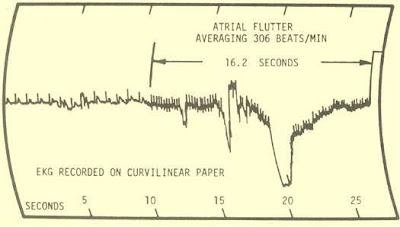
The example below is an EKG of Swami Rama recorded while he was
sitting motionless, and caused his heart to stop pumping blood at will. This was done by voluntarily speeding up his heart rate to over 300 beats per minute, causing atrial flutter. This demonstration and others were
performed at the Menninger Foundation, in Topeka, Kansas in 1970. The research was recorded for the public, in part, in the book Beyond
Biofeedback, by Elmer and Alyce Green


Other demonstrations have included psychokinesis (moving objects
through mental will power), recording and remembering accurately
conversations in the room while registering being in deep sleep (delta)
according to EEG, as well as growing and ungrowing cancers on his arms
and in his buttocks.

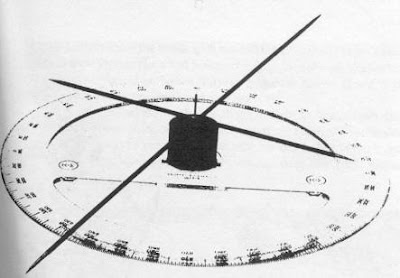
The above photograph is the 14 inch knitting needle instrument that Swami Rama successfully caused to spin with his mind from a distance of five feet. This was done in the presence of the research scientists at the Menninger Foundation.

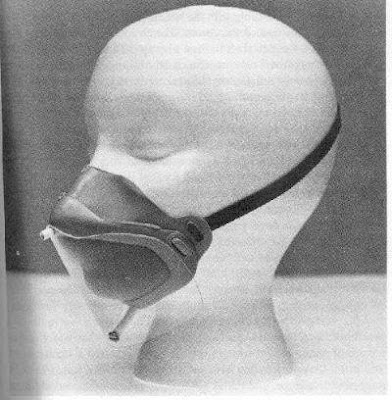
The below photograph is the mask and plexiglassplate that was placed over Swami Rama's face by the research scientists during the experiments so that breath could not accidentally affect the needles. His body was also entirely covered with a cloth so as to further
insure no accidental involvement of body motion with the needles


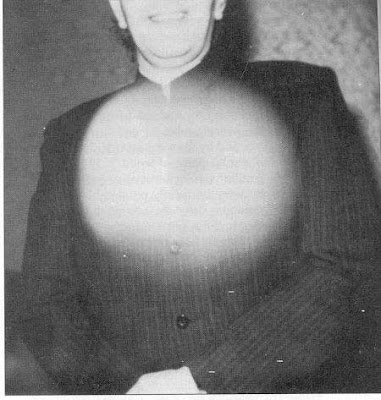
The photograph below is of Swami Rama showing a glow of light from the
area of his heart chakra. This untouched photograph was taken with a
Polaroid camera in response to a challenge from one physician who was
skeptical about the ability to cause a visible light to be radiated at will.

These demonstrations were not done merely to impress anybody with the
unique powers of one person, but rather to demonstrate to the scientific
and medical communities that the human has tremendous ability to selfregulate with training.

***********************
thanks to:HIY


Friday, May 14, 2010

Yoga Benefits


Yoga is a comprehensive system which includes different methods such as Karma Yoga, Raja Yoga, Hatha Yoga, Jnana Yoga, Bhakti Yoga, Kundalini Yoga and Mantra Yoga, the exercise part called yogasana is popular in the West. The yoga practitioners advocate several benefits such as Physical, Mental,Intellectual,and spiritual, for yoga and the testimonials of many of the followers were supporting their argument. And now the popularity of yoga enhances enormously as the scientific crowd is coming up with substantiating evidences for the benefits of yoga. However the most pronouncing benefit of yoga, which distinguishes it from the other similar therapies, will be its spiritual benefits.

Yoga Benefits

The most important benefit of yoga is physical and mental therapy. The aging process, which is largely an artificial condition, caused mainly by autointoxication or self-poisoning, can be slowed down by practicing yoga. By keeping the body clean, flexible and well lubricated, we can significantly reduce the catabolic process of cell deterioration. To get the maximum benefits of yoga one has to combine the practices of yogasanas, pranayama and meditation.Regular practice of asanas, pranayama and meditation can help such diverse ailments such as diabetes, blood pressure, digestive disorders, arthritis, arteriosclerosis, chronic fatigue, asthma, varicose veins and heart conditions. Laboratory tests have proved the yogi`s increased abilities of consciously controlling autonomic or involuntary functions, such as temperature, heartbeat and blood pressure. Research into the effects of yogic practices on HIV is currently underway with promising results.According to medical scientists, yoga therapy is successful because of the balance created in the nervous and endocrine systems which directly influences all the other systems and organs of the body. Yoga acts both as a curative and preventive therapy. The very essence of yoga lies in attaining mental peace, improved concentration powers, a relaxed state of living and harmony in relationships.Through the practice of yoga, we become aware of the interconnectedness between our emotional, mental and physical levels. Gradually this awareness leads to an understanding of the more subtle areas of existence. The ultimate goal of yoga is to make it possible for you to be able to fuse together the gross material (annamaya), physical (pranamaya), mental (manomaya), intellectual (vijnanamaya) and spiritual (anandamaya) levels within your being.Physiological BenefitsPhysicians and scientists are discovering brand new health benefits of yoga everyday. Studies show it can relieve the symptoms of several common and potentially life-threatening illnesses such as arthritis, arteriosclerosis, chronic fatigue, diabetes, AIDS, asthma and obesity.AsthmaStudies conducted at yoga institutions in India have reported impressive success in improving asthma. It has also been proved that asthma attacks can usually be prevented by yoga methods without resorting to drugs.Physicians have found that the addition of improved concentration abilities and yogic meditation together with the practice of simple postures and pranayama makes treatment more effective. Yoga practice also results in greater reduction in anxiety scores than drug therapy. Doctors believe that yoga practice helps patients by enabling them to gain access to their own internal experience and increased self-awareness.Respiration ProblemsPatients who practice yoga have a better chance of gaining the ability to control their breathing problems. With the help of yogic breathing exercises, it is possible to control an attack of severe shortness of breath without having to seek medical help. Various studies have confirmed the beneficial effects of yoga for patients with respiratory problems.High Blood PressureThe relaxation and exercise components of yoga have a major role to play in the treatment and prevention of high blood pressure (hypertension). A combination of biofeedback and yogic breathing and relaxation techniques has been found to lower blood pressure and reduce the need for high blood pressure medication in people suffering from it.Pain ManagementYoga is believed to reduce pain by helping the brain`s pain center regulate the gate-controlling mechanism located in the spinal cord and the secretion of natural painkillers in the body. Breathing exercises used in yoga can also reduce pain. Because muscles tend to relax when you exhale, lengthening the time of exhalation can help produce relaxation and reduce tension. Awareness of breathing helps to achieve calmer, slower respiration and aid in relaxation and pain management.Yoga`s inclusion of relaxation techniques and meditation can also help reduce pain. Part of the effectiveness of yoga in reducing pain is due to its focus on self-awareness. This self-awareness can have a protective effect and allow for early preventive action.Back PainBack pain is the most common reason to seek medical attention. Yoga has consistently been used to cure and prevent back pain by enhancing strength and flexibility. Both acute and long-term stress can lead to muscle tension and exacerbate back problems.ArthritisYoga`s gentle exercises designed to provide relief to needed joints had been Yoga`s slow-motion movements and gentle pressures reach deep into troubled joints. In addition, the easy stretches in conjunction with deep breathing exercises relieve the tension that binds up the muscles and further tightens the joints. Yoga is exercise and relaxation rolled into one - the perfect anti-arthritis formula.Weight ReductionRegular yoga practice can help in weight management. Firstly, some of the asanas stimulate sluggish glands to increase their hormonal secretions. The thyroid gland, especially, has a big effect on our weight because it affects body metabolism. There are several asanas, such as the shoulder stand and the fish posture, which are specific for the thyroid gland. Fat metabolism is also increased, so fat is converted to muscle and energy. This means that, as well as losing fat, you will have better muscle tone and a higher vitality level.Yogic practices that reduce anxiety tend to reduce anxious eating. In addition, yoga deep breathing increases the oxygen intake to the body cells, including the fat cells. This causes increased oxidation or burning up of fat cells. Yogic exercises induce more continuous and deeper breathing which gradually burns, sometimes forcefully, many of the calories already ingested.Psychological BenefitsRegular yoga practice creates mental clarity and calmness, increases body awareness, relieves chronic stress patterns, relaxes the mind, centers attention and sharpens concentration.Self-AwarenessYoga strives to increase self-awareness on both a physical and psychological level. Patients who study yoga learn to induce relaxation and then to use the technique whenever pain appears. Practicing yoga can provide chronic pain sufferers with useful tools to actively cope with their pain and help counter feelings of helplessness and depression.Mental PerformanceA common technique used in yoga is breathing through one nostril at a time. Electroencephalogram (EEG) studies of the electrical impulses of the brain have shown that breathing through one nostril results in increased activity on the opposite side of the brain. Some experts suggest that the regular practice of breathing through one nostril may help improve communication between the right and left side of the brain.Mood Change And VitalityMental health and physical energy are difficult to quantify, but virtually everyone who participates in yoga over a period of time reports a positive effect on outlook and energy level. Yogic stretching and breathing exercises have been seen to result in an invigorating effect on both mental and physical energy and improved mood.Spiritual BenefitsWhen you achieve the yogic spirit, you can begin knowing yourself at peace.

The value of discovering one`s self and of enjoying one`s self as is, begins a journey into being rather than doing. Life can then be lived practicing "yoga off the mat".PridePride, and especially anxiety about pride, is something which Hatha Yoga seeks to diminish or eliminate. To one who has been dejected because he cannot do his work properly when he becomes tired, irritable, or haggard, any degree of refreshment may be accompanied by additional degrees of self-respect. Furthermore, one who has benefited from yoga may be moved to help his friends who are obviously in need, he may instruct others and be rewarded with appreciation due a to teacher.But if one succeeds in achieving skill which provides health and self-confidence, one may justly raise his self-esteem simply by observing himself living the improved results as an achieved fact.KnowledgeYogic theory and practice lead to increased self-knowledge. This knowledge is not merely that of the practical kind relating to techniques, but especially of a spiritual sort pertaining to grasping something about the nature of the self at rest.Knowing the self at rest, at peace, as a being rather than merely as an agent or doer, is a genuine kind of knowledge which usually gets lost in the rush of activities and push of desires. The value of discovering one`s self and of enjoying one`s self as it is, rather than as it is going to be, is indeed a value as well as a kind of knowledge.

Thursday, January 7, 2010

KUNDALINI YOGA


THE POWER OF KUNDALINI

Kundalini is a Sanskrit word that means coil. Every human has Kundalini, however, in most humans the Kundalini lies dormant in the perineum, forming a 3½ circles coil. Although most people are not aware that the Kundalini exists, Kundalini is well-known by serious spiritual seekers. Most yoga traditions aim to awaken the Kundalini, because these yoga traditions believe that the Kundalini is the power that is required to attain the ultimate goal of spiritual achievement, the union with divine (Yoga).

The Kundalini is untapped energy (Prana)at the base of the spine that can be drawn up through the body awakening each of the seven chakras. Full enlightenment occurs when this energy reaches the Crown Chakra. Kundalini energy is often represented as a snake coiled at the base of the spine.

A primary focus of Kundalini Yoga is to build heat by charging the battery of the body, which is based in the lower three centers. As this energy is aroused and consciously directed from the lower chakras to the upper ones, our biological prana awakens to its evolutionary potential. Awakened prana, called Kundalini, carries out healing and cleansing at an accelerated level - resulting in the purification of the nerve channels in the body as well as cleansing kriyas - all of which prepare the body for accelerated spiritual development.

Chakra One: Roots, Alignment, Earth

Muladhara is the body in physical space and time, developing groundedness, stability and foundation. In Kundalini Yoga, the attention is alignment in all poses, building awareness and strength in the legs - especially all standing poses. Anything that stabilizes and roots the foundation reinforces muladhara.

Chakra Two: Sensation, Flow, Water

In Swadisthana we become aware of the senses, sensation (pleasure/pain) and emotions that accompany each pose. We allow our awareness of ecstatic energy to build in the second half of the pose. Suggested poses include pigeon, bridge and the spinal twist.

Chakra Three: Power, Fire

In Manipura, our fire (spiritual heat) is stimulated. We "jump-start" the battery of the body, the physical storehouse of energy, through strong standing poses like The Warrior. The willful aspect of the practice is also associated with chakra three. In the first half of the Amrit Yoga Level I sequence, we are building the battery in the belly and then consciously directing that energy upward. This is an essential part of Level I as this conscious generation and directing of energy is necessary for prana to awaken and move upward to higher centers.

Chakra Four: Awakening to the Spiritual Path

In Anahata, we are asked to open the heart. This requires spiritual commitment to let the ego drop away. In Kundalini Yoga the heart energy is engaged with the use of the arms, with mudras, giving and receiving movements. Some heart opening poses can be: camel, yoga mudra, cobra, half locust (opens arms and heart meridians). Breath and the fourth chakra are closely connected (lungs).

Chakra Five: Communication (internal/external) - the power of sound vibration

Visuddha is more apparent in Level II Kundalini Yoga, but also in Level I - we turn into the vibration of prana that sources the movement. Use sound vibration when in the pose and the power of your word (opening intention and Om) to create the vibrational field you intend. Become aware of your own inner dialogue and if it serves you or not. In Kundalini Yoga the throat chakra may be stimulated through chanting, bridge, camel and shoulder stand postures.

Chakra Six: the Third Eye (Kutastha Chaithanya)

Meditation, witness, meditative awareness Pratyahara; deep absorption without choosing for or against what is present in Ajna chakra. In the second half of the pose and Third Eye integration-consciously allow energies to grow with meditative attention and draw freed energies upward toward the Third Eye for integration. All forward bending poses where the head is lower than the heart brings attention and energy to the third eye (child, yoga mudra, wide-angle forward bend).

Chakra Seven: Silence (Sivasakthi Sthan)

In the Sahasrar, the elixir of Amrita comes through silencing the fluctuations of the mind. This is the entry into the bliss body, which can happen in the second half of the pose, in Third Eye Meditation integration, or in any pose. All these practices of Amrit Yoga are intended to reach the final point of stilling the modifications of the mind, which is always associated with the seventh chakra

Thursday, November 5, 2009

YOGA VIDYA

Objectives : After studying this unit you should be able to:

Know What is Yoga Vidya?
What for is it practiced?
How the practice should get started?
What are Santi Mantras?
What is the prevalent trend in imparting this knowledge?
What are the similies or metaphors usually attributed to Yoga Vidya?
How Sivaskthi Yoga Vidya Kendra is unique in its approach?


Introduction :

The cultural heritage of our country is of immense value to the whole of humanity. Unfortunately in our eagerness to ape the western culture, an average Indian prefer to be blissfully unaware to this tradition bequeathed to us by our forefathers. Should we not derive inspiration from the fabulous contributions our forefathers have made by providing us this rich fund of knowledge? Why we have succumbed to this sort of decadence instead of being proud of our ancient past? For true seekers reasons are not that difficult to find. Long periods of subjugation by the descendants of Central Asian invaders followed by the long colonial rule by the British sapped our energy and made us victims of a slavish mentality. Progress of modern science and our inability to keep pace with the advanced countries pushed us backwards. Thrust given by the ruling community for English education, prompted us to view what is of Indian origin with contempt. The national movement for regaining freedom and the subsequent winning of the same, kindled some hopes for revival. But unfortunately even after 62 years of independence, our attitude is still sluggish for honoring our cultural heritage. All that belong to the rich tradition is attributed to belong to the Hindu religion, rather than considering them as part of our national ethos. Percolation of party politics into all walks of life and the eagerness of politicians to lure the minority communities having their eyes on the vote banks eluded the horizons for a revival of our lost glory. Though belonging to different communities and castes we forgot the fact that we are primarily Indians having a common culture and tradition. The fact that many learned people of the west are now acknowledging our precious contributions, do not deter many of us from disregarding what is of Indian origin. That is why still the majority feel reluctant to proudly own and propagate precious branches of knowledge which are unique and bear the stamp of our cultural heritage.

Yoga Vidya is one of the ancient branches of knowledge originated in India. During which period this branch of knowledge developed and flourished is not exactly known. It is said that the Supreme Lord “Parameswara” himself had handed down to us this knowledge for Self realization. Our ancient teachers group all branches of knowledge in to two broad categories. They are “Para Vidya” and “Apara Vidya”. Those belonging to Para Vidya imparts Spiritiual knowledge. Spiritual knowledge and its practice leads one ultimately to Self realization. A solid example for this is “Vedanta Darsanam”. Contrary to this Apara Vidya that helps to equip one for the worldly life.

Now the crucial question is this. Yoga Vidya belongs to which category mentioned above? In fact Yoga Vidya cannot belong exclusively to any one category mentioned above. Similar is the case with Tantra Vidya too. Both Yoga Vidya and Tantra Vidya ultimately makes one capable of Self Realisation or God Realisation. But unlike Vedanta both Yoga Vidya and Tantra Vidya are not exclusively intended for imparting spiritual knowledge and through that to the goal of Self Realisation. They also contribute immensely for making the material life of a person rich, meaningful, healthy and pleasant.. We have to use two technical words in Sanskrit to describe the special nature of Yoga Vidya and Tantra Vidya. The words are “Sreyas” and “Preyass”. “Sreyas” indicates spiritual wealth where as “Preyass” indicates material wealth. Yoga Vidya and Tantra Vidya contributes both to “Sreyas” and “Preyas”.

The word Yoga originated from its root word in Sanskrit called “Yuge”. This word means ‘Union’. Union with whom is the moot question. The answer is : “with the ultimate reality”. From time immemorial the inquisitive nature of human mind sought the secret behind creation of this universe. Focused thinking in this direction resulted in the dawning of wisdom. What we call intuition is the source of all wisdom and knowledge. It was through this intuition resulting from focused thinking that all branches of knowledge developed. When this method is utilized in the appropriate manner, we will come to know that we can achieve immense power which will otherwise be termed as supernatural. Yoga Vidya claims that human beings can through systematic practice attain that level of God Consciousness breaking all kinds of limitations normally attributed to human beings. A clear cut plan and procedure has been developed by the teachers of this technique towards this goal. One need not even be a believer of this creed at first, but one should be ready to earnestly practice the guidelines given by the teacher. To that extent one should have an open mind. In fact we know that this is the method of study in modern science too. Unlike in some religions here the experience comes first and belief only follows.

In this context it is pertinent to go through the definition to Yoga Vidya given by one of the ancient exponents of this technique by name Yajnavalkya. The definition in Sanskrit is given below:


“ Samyogo Yoga Ithuktho Jeevatma Paramatmano” ,
meaning the union of Jeevathma(Individual Soul) with Paramatma ( Universal Soul) is what is called Yoga. Such a joining is also called “Mokhsha” or “Nirvikalpa Samadhi” in Sanskrit. In ancient branches of knowledge like Yoga Vidya there is a practice in using the same terminology for the path as well as the goal. This practice is mainly followed in spiritual sciences and philosophical studies. Similarly one who is just initiated into the technique of Yoga Vidya as well as one who is an exponent of the technique, both are called by the name “Yogi”.

Now a days certain aspects of this technique are selectively taken and taught in a haphazard manner highlighting some minor benefits derived from the same purposefully keeping its main objectives in the dark. They are actually commercializing the holy knowledge by their narrow minded approach. Those who resort to such teaching though claim themselves to be imparting Yoga Vidya in fact are doing a disservice to our ancient Rishis and to humanity at large. Disregarding the main objects or aims of the technique can never be called Yoga; rather it is called by the name “kuyoga’ or “yogabhasa”.

What for is Yoga Vidya ?


Yoga Vidya is practiced for the attainment of the following :-

Total Development of the personality
For the building up of an enlightened society
For total success in life
As a complete solution to all difficulties

Now we can analyse each of the above items one by one

1.Total Personality Development :


By the word personality what we mean is the totality of the physical, mental, intellectual and spiritual talents of a person. So the development contemplated should cover all these four aspects. The character, habits, knowledge, attitude and behaviour of the person concerned , all should get equal importance. In fact the development should integrate the achievements made by the individual in all the above aspects. Since Yoga is recognized as a good system of physical exercise, much need not be mentioned regarding this. Moreover we cannot over emphasise the importance of the physical body of a person in the pursuit of studies of subjects like Yoga Vidya. This body is a critical equipment for the attainment of even “Mokhsha”. Hence the body should be in a trim and healthy condition. Here a little explanation is needed in describing the term “ healthy condition”. It is not merely the absence of any disease or diseases, the crucial question is whether one is enjoying what is called “body bliss” which is our essential nature. Proper practice of Yoga Vidya guarantees body bliss.

According to yoga a human being has a physical body which we can see, touch and feel and is termed in Sanskrit as “Sthoola Sareera”. Apart from that there are others layers to this body which are subtle and cannot be touched or seen as the sthoola sareera. This is called “Sookshma sareera” in Sanskrit. The sookshma sareera has got three layers such as Pranamaya kosa, Manomaya Kosa, and Vijnanamaya Kosa. The word Kosa does not mean the cell described in modern science. These layers can be experienced as we advance more on the path of yoga vidya. Of this pranamaya kosa is the life force, manomaya kosa is connected with the mind and vijnanamaya kosa is connected with the intellect. Then apart from the Sthoola sareera and Sookshma sareera there is another level as causal body or “Karana Sareera” in Sanskrit. The layer linked with the Karana Sareera is called “Anadamaya Kosa”. Our true nature is this blissful state. Genuine and steady practice of Yoga will make the individual constantly aware and experience this blissful state day in and day out. This is the highest state yoga vidya guarantees to a true practioner

It is to be understood that all round personality development should bring under its purview augmentation of the faculties of mind such as love, compassion, courage, kindness, faith etc. etc.. Then only the individual can be considered as having a good mental health. When that results, the Manomaya kosa of the individual gets a boost. Similarly yoga vidya also improves the intellectual faculties of an individual such as grasping power, faculties for analysis, synthesis, deduction, creativity, communicative skill, aesthetic sense, skill for interpretation etc. etc. In the more advanced stage intellectual capabilities of one practicing yoga can reach the level of that of the great “Rishis” whose intellect is usually termed as “Maneesha” in Sanskrit. Hence integrated personality development encompasses development of the physical, mental, and intellectual aspects of the individual and then leads to the supreme level of “Sachidananda”. What exactly is this sachidananda cannot be expressed in words. That state is beyond words. It can only be experienced. Once experienced one will know that is ones true nature, and dwelling constantly in that state is what is called “Moksha”. Ultimate objective of Yoga Vidya is the dawning into that level of consciousness as that of Moksha


2. Building up of an enlightened society.


Normally when we hear the word society the idea that comes to our mind is that of the human society. But in Yoga Vidya the term is considered in a more wider perspective. The word ‘Society’ should bring under its purview all living and non-living things of this universe. No doubt a human being is the basic unit of the society. Then our concept of society should grow into family, village, town , city, country and the whole world! Building up of the enlightened society should not be limited to a family or village or country rather it should cover the whole world. There is a balance which is being maintained by the different living and non living things in this universe. Our development should not upset this natural balance. The concept of a society first starts from the family. Hence our family should first be made enlightened. If at least one member of the family earnestly practices Yoga vidya it will definitely have an impact on the family. It will create positive vibrations in the family atmosphere. Sooner or later other members will also will be attracted to Yoga. This in turn will enhance the the mental and intellectual capabilities of the family members. Interpersonal relations improve in the family which in turn augments their sense of co-opeartion and co-existence in controlling and co-ordinating the resources of the family. Naturally material prosperity results. When a particular family in a village registers such a positive growth in all aspects, other families also try to follow suit resulting in the village becoming popular in the town or city adjacent to it. This example spreads into the whole country in a similar fashion.

For spreading this style of living the forerunners of Yoga Vidya have an important role to play. They should be prepared to function as messengers of a good code of conduct, and their dharmic sense should be above board and exemplary. In this context we must understand that individual capabilities have got a limit. But when like minded individuals join into an organization and tries to carry out a mission commonly endorsed by them, the synergic effect of the same will be much more than their individual capabilities put together. Yogic view of life or Yoga darsan or Purushartha Jeevitha Darsan should be spread through out the world so that we will be able to solve all problems of the world, distribute the resources among all people equitably, and make the world tension free. All types of wars will end and a holy understanding will prevail among countries of the world. In fact this world has got immense resources for all of us to live happily throughout our life. But some countries have cornered these resources to the detriment of the others, due to their lack of faith in themselves and in their fellow beings. We have to free ourselves from this narrow minded approach if real peace is to remain in this world. We have to enlighten ourselves through noble practices like Yoga Vidya so that this world becomes a more peaceful place to live in. In this context it is essential to note the oft quoted watch word of Acharyas which is quite applicable to Yoga Vidya “ Khrunnumtho Viswam Aryam” meaning “Make this world great”

3. For total success in life :


Yoga Vidya gives due importance to the worldly life of an individual. For total success in life, success of an individual in his avocation, family life, social life, health and longevity etc. are all equally important along with his spiritual advancement and realization with the ultimate reality. That is why Yoga Vidya guarantees both “Sreyas “ and “ Preyass” for its ardent sadhakas. The beauty of the system is that there is clear cut plan and action programme for the attainment of the goals in these two aspects of an individual life viz spiritual and material.

4.As a complete solution for all types of problems and difficulties:

Our ancient teachers broadly viewed problems faced by humanity through two angles. The first one tries to focus the attention on the causes of problems and the second one on where exactly a problem props up. Regarding causes they are mainly of three types viz. “Adyatmika” , “Adhi Bowthika” and “Adhi Daivika”. Of these “Adyathmika” points towards those problems or difficulties faced by an individual whose reasons can be attributed to the individual himself. Here the action or inaction of the individual may have caused the problems. In the case of “Adhi Bowthika” other living beings in this world causes the problems. This includes other human beings or any other living things belonging to the animal and plant world, either jointly or severally. Lastly in the case of “Adhi Daivika” the reasons for the problems may emnate from the action of natural or super natural forces existing in this universe.


Based on where exactly a problem props up, they can be classified as follows:-

i . Problems of the physical body eg. Diseases, deformities etc.
ii. Mental problems Eg. Depression, various phobias etc.
iii. Intellectual problems Eg. Disparities in intellect among various groups
iv. Spiritual problems Eg. Different approaches of various religious groups
v. Family problems Eg. Interpersonal relationship problems
vi. Social problems Eg. Disparities in income, male predominance etc.
vii. NationalproblemsEg.Divisive tendencies based on language,religion,caste etc.
viii. World Problems Eg. Terrorism, global warming etc.

Practice of Yoga vidya makes an individual to have a proper perspective of all these problems and offers apt remedies for solving them. How this is achieved is explained elsewhere in this chapter.

How the practice should get started: As has been explained this is divine knowledge that has been passed on to us by the Almighty through great sages several thousand years before. Innumerable technical words originated in Sanskrit are to be understood in their proper perspective to have a clear idea of what exactly the ancient teachers meant by them, rather than guided by their current usages in various other languages. Hence it is very essential to learn the technique through a teacher who has been trained in the traditional manner. This knowledge has been acquired by the sages through a lot of penance, strenuous practice and contemplation which has caused the development of right intuition in them. They are well aware of the pits and falls on the path of spiritual unfoldment and hence they will be able to guide and groom the practitioners in the proper fashion. Hence for learning the technique, institutions like Siva Sakthi Yoga Vidya Kendra should be approached because they will be carrying the torch of tradition for passing on the knowledge to the future generations.

Initial Prayers and Santhi Mantras : It has been the practice followed in ancient India to start any noble function by praying to the Almighty for his blessings so that success results . Reciting of mantras mainly aims for the blessings of God. Apart from that it aims at perfect harmony among fellow human beings, animals and plants and even natural and supernatural forces .

Present trends in the practice of the technique : Institutions which train the aspirants in the proper way are in fact very few in number. Unfortunately those which misguide people are innumerable. Among them even those who do not recognize God teach the technique. Then there are some institutions which give thrust to certain aspects of the technique and ignore the rest, to suit their requirements. Accordingly there are yoga centres which function as beauty clinics, does the function of gymnasiums, health clinics etc. Such centres are in fact aberrations from the technique of Yoga Vidya.

Similies and Metaphors normally used to glorify Yoga Vidya:

Yoga Vidya has been allegorically compared to the following :

“ Kalpa Vruksha” : Meaning mythological tree in heaven which renders anything requested.
“Chinthamony”: Meaning that which grants anything we wish for

“Mruthyu Mathamga Kesari” : Meaning the Lion which tackles death coming in the garb of an elephant.

But these metaphors or similies in fact do not fully convey the true value of this ancient technique when we know that Yoga vidya is capable of elevating an individual to the highest position of identifying oneself with the ultimate Reality.

Unique nature of Siva Sakthi Yoga Vidya Kendra:

Siva Sakthi Yoga Vidya Kendra is manned by properly trained personnel who has been groomed by Shri K.R. Manoj who is a post graduate in Philosophy. Mr. Manoj is a humble deciple of the world famous Rishi by name Nikhileswarananda Maharaj of Rajastan. Nikhileswarananda Maharaj belongs to the rare group of Rishis who has got access to Siddha Loka of the Himalayas which cannot even be identified or approached by ordinary mortals. As such one can expect to study the subject in the most traditional manner without any dilution to suit to the whims and fancies of students of the modern world. Moreover in this Kendra equal importance is given to both theory and practice. Hence for earnest and disciplined practitioners success is assured by the grace and blessings of the Almighty and the whole lineage of Gurus.